The evolution of gambling tracing its historical roots and cultural significance
The Origins of Gambling
The history of gambling dates back to ancient civilizations, where it served both as a form of entertainment and a method for divining the future. Archaeological findings suggest that the oldest known gambling artifacts were found in China, where tiles dating back to 2300 BC were used for a rudimentary game of chance. Similarly, ancient Egyptians and Romans participated in various betting games, indicating that gambling was an integral part of their societies. In today’s context, many players are finding exciting options such as Gday77 Casino, which showcases modern gaming experiences.

In these early societies, gambling was often intertwined with religious practices, as many believed that chance was dictated by the will of the gods. As cultures evolved, so did the methods and forms of gambling, leading to the development of structured games and betting systems that reflected societal values and norms of the time.
Cultural Significance Throughout History
Throughout history, gambling has played a significant role in various cultures, often reflecting social structures and values. In ancient Rome, for instance, public games were a form of entertainment that brought communities together, fostering a sense of unity. Conversely, in other societies, gambling was viewed with suspicion and often faced restrictions, highlighting the dual nature of its cultural significance.
The Enlightenment era brought about a shift in attitudes toward gambling, with more structured forms of gaming emerging, such as lotteries and casino games. This period marked the transition of gambling from a social pastime to a regulated activity, paving the way for modern gambling establishments and practices.
The Rise of Modern Gambling
The 19th century saw the establishment of casinos and gaming houses across Europe and America, signifying a new era in the gambling landscape. The advent of technology, such as the printing press, enabled the proliferation of gaming materials and guides, further popularizing various gambling forms. The introduction of slot machines and poker games captured public interest, contributing to the booming gambling culture of the time.
As the 20th century progressed, gambling became increasingly commercialized, with the establishment of large-scale casinos in places like Las Vegas and Atlantic City. These venues not only offered a wide variety of gaming options but also served as entertainment hubs, showcasing shows and attractions that appealed to a diverse audience.
The Social Aspects of Gambling Today
Today, gambling is a multifaceted activity that resonates with various social aspects. It brings together individuals from different backgrounds for entertainment, social interaction, and, in some cases, economic opportunity. Online gambling has further transformed the landscape, allowing people to engage in gaming experiences from the comfort of their homes, fostering a virtual community of players.
While gambling can have negative consequences, such as addiction and financial strain, many also view it as a fun and harmless pastime. The social dynamics surrounding gambling include celebrations, friendly competition, and community bonding, illustrating its enduring appeal in contemporary society.
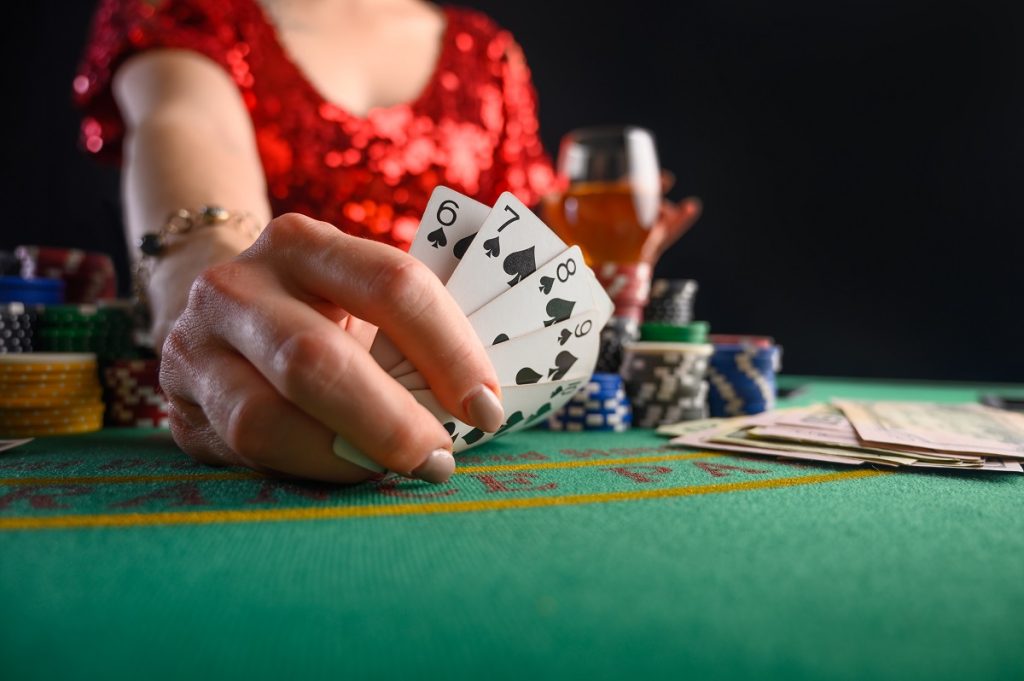
Gday77 Casino: A Modern Gaming Destination
Gday77 Casino represents the evolution of gambling in the digital age, offering a premier online gaming experience tailored for Australian players. With an extensive library of licensed games, including popular pokies, table games, and live dealer options, Gday77 Casino captures the essence of modern gambling while prioritizing user satisfaction.
Their commitment to providing a transparent and enjoyable gaming environment is evident in their generous welcome packages and dedicated customer support. As players explore Gday77 Casino, they discover a vibrant atmosphere where fun and fair play thrive, reflecting the cultural significance of gambling in today’s world.