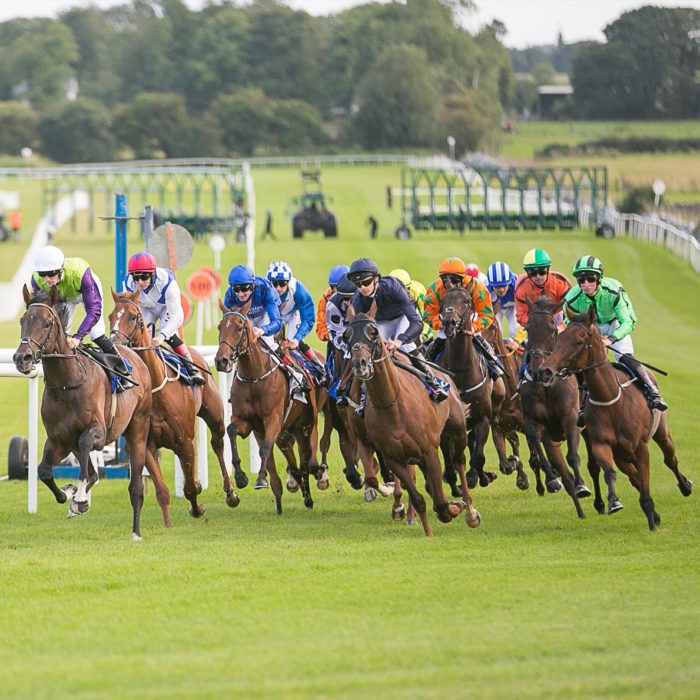
The Impact of Racing Events Not Happening in the UK
The world of horse racing in the UK is rich with tradition and excitement, drawing avid fans and participants from all corners of the globe. When key racing events are not on the calendar, it sends ripples through the entire industry, affecting various sectors from local economies to international betting markets. To understand the impact of these cancellations, it is critical to assess several key areas, including economic implications, cultural significance, and the future of the sport in the UK. For more information about local mounted police involvement in events, you can check out UK horse racing not on GamStop https://merseysidepolicemounted.uk/.
1. Economic Implications
One of the most immediate effects of horse racing events not happening is the hit to the local economy. Major races like the Grand National, Royal Ascot, and Epsom Derby attract thousands of spectators, resulting in significant spending on accommodation, food, transportation, and other services. According to various studies, a single racing event can generate millions of pounds in revenue for local businesses.
When these events are cancelled or postponed, local businesses often struggle to cope with the loss. Hotels experience lower bookings, restaurants see decreased foot traffic, and transport services run fewer routes. The livelihoods of many workers in the hospitality and tourism sectors can be severely affected. This interdependence between racing and the local economy showcases how vital it is for racing events to go ahead as scheduled.
2. Cultural Significance
Horse racing is deeply woven into the cultural fabric of the UK. It is more than just a sport; it represents tradition, community, and heritage. Events like the Grand National are not only thrilling but also part of the national narrative. These gatherings offer a sense of belonging and continuity for fans and participants alike.
When significant races do not take place, it can feel like a loss to the collective cultural identity. Families have passed down traditions of attending races for generations, making cancellations particularly poignant. The impact extends beyond just a single event; it influences how communities gather and celebrate their culture and heritage.

3. The Effect on Betting Markets
The betting industry is another critical player in the horse racing ecosystem. Every year, punters place billions of pounds in bets on various racing events worldwide, with the UK being one of the largest markets. When events are cancelled, the potential betting revenue diminishes, inevitably impacting not just bookmakers but also the economy.
Moreover, for some betting companies, certain races are seen as flagship events that rally interest and engagement. Loss of these events can reduce the customer base and make it more challenging for companies to innovate and provide diverse betting options.
4. Experiences Beyond the Races
The experience surrounding horse racing events typically encompasses more than just the races themselves. The atmosphere, social interactions, and surrounding activities contribute to the overall allure of these events. When races are not on, many fans miss out on social gatherings with friends and family, further emphasizing the psychological impact of such cancellations.
Many enthusiasts take part in fashion events, parties, and live entertainment during race days. When racing events are absent, these accompanying experiences diminish, leading to a less vibrant cultural landscape. The sense of community that comes from shared experiences is lost, and this can lead to feelings of disconnection among fans.
5. Future of Horse Racing in the UK
The future of horse racing in the UK does rely on adaptability and innovation. As the landscape of sports continues to evolve, racing must find ways to adapt and engage with its audience. Whether through technology, social media, or enhanced in-person experiences, how the sport navigates the challenges of event cancellations will shape its future.
Moreover, increasing awareness of animal welfare and environmental issues is transforming the industry. Fans are calling for more sustainable practices and enhanced regulations to ensure the well-being of horses. The horse racing industry needs to be responsive to these societal changes to retain its relevance in the future.
Conclusion
In summary, the cancellation or postponement of horse racing events in the UK has far-reaching impacts on economic, cultural, and betting landscapes. As the industry looks ahead, it will need to address these challenges while embracing change to remain a vital part of British culture. The emotional attachment that fans have to these events underscores the importance of maintaining traditional practices while fostering innovation.
Ultimately, keeping the spirit of horse racing alive amid adversity is essential. Whether through local events, community gatherings, or new forms of engagement, the resilience of the sport will be tested but not broken. The passion for horse racing in the UK is enduring, and as long as it thrives, there will always be a reason for fans to celebrate.